Do you prefer to listen?
Here’s the audio version:
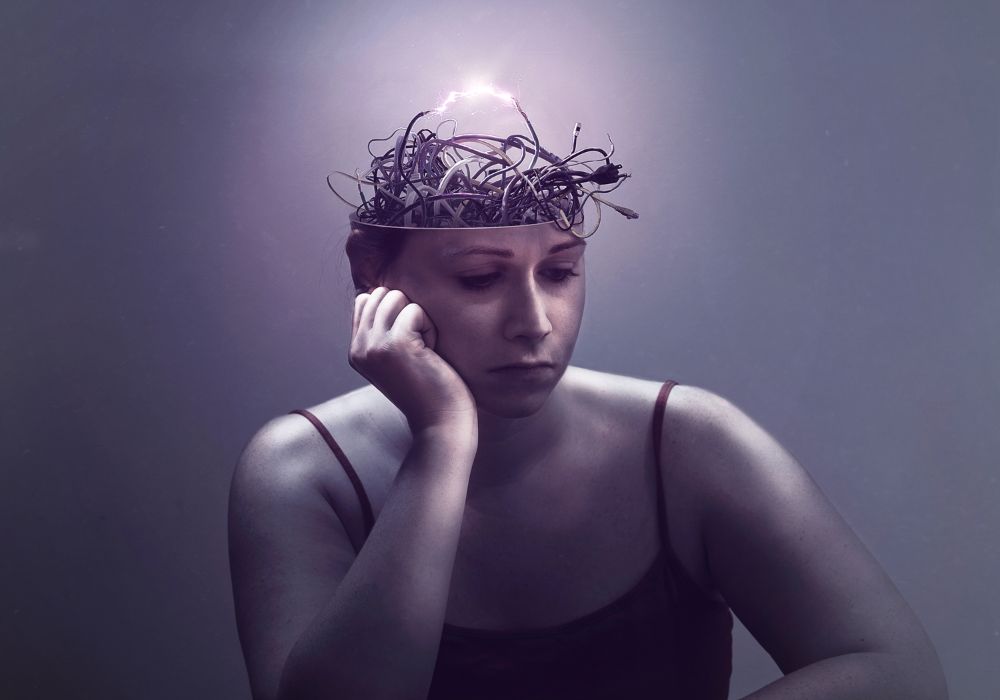
Anxiety during menopause is more common than many women expect. A constant sense of restlessness, unexplained nervousness, heart palpitations, or a mind that simply will not switch off can appear even in women who have never struggled with anxiety before.
The good news is that this is not a personal failure or an emotional weakness. In many cases, anxiety during menopause is closely linked to hormonal changes and to the way these changes affect the nervous system.
In this article, we explore the connection between menopause and anxiety from a clear, evidence‑based perspective, and share realistic strategies that may help you regain a greater sense of calm — without miracle promises.
Menopause and anxiety: what role do hormones play?
During perimenopause and menopause, levels of estrogen and progesterone fluctuate and then gradually decline. These hormones do much more than regulate the reproductive cycle: they also influence key neurotransmitters involved in emotional balance, such as serotonin, GABA, and noradrenaline.
Clinical reviews have shown that lower estrogen levels can affect mood regulation and increase vulnerability to anxiety and depressive symptoms. This link between hormones and mental health during the menopausal transition is well documented in the scientific literature.
Progesterone also plays a natural calming role in the nervous system. When its levels drop, some women may notice:
- Increased emotional reactivity
- Greater difficulty relaxing
- A heightened sense of internal alertness or tension
Hormonal anxiety does not appear “out of nowhere”. It is a physiological response from a body that is reorganising its internal balance.
Anxiety during menopause: how it shows up
Anxiety during menopause does not always look like classic panic attacks. More often, it takes subtler — but equally draining — forms.
It may include:
- Persistent worry or mental rumination
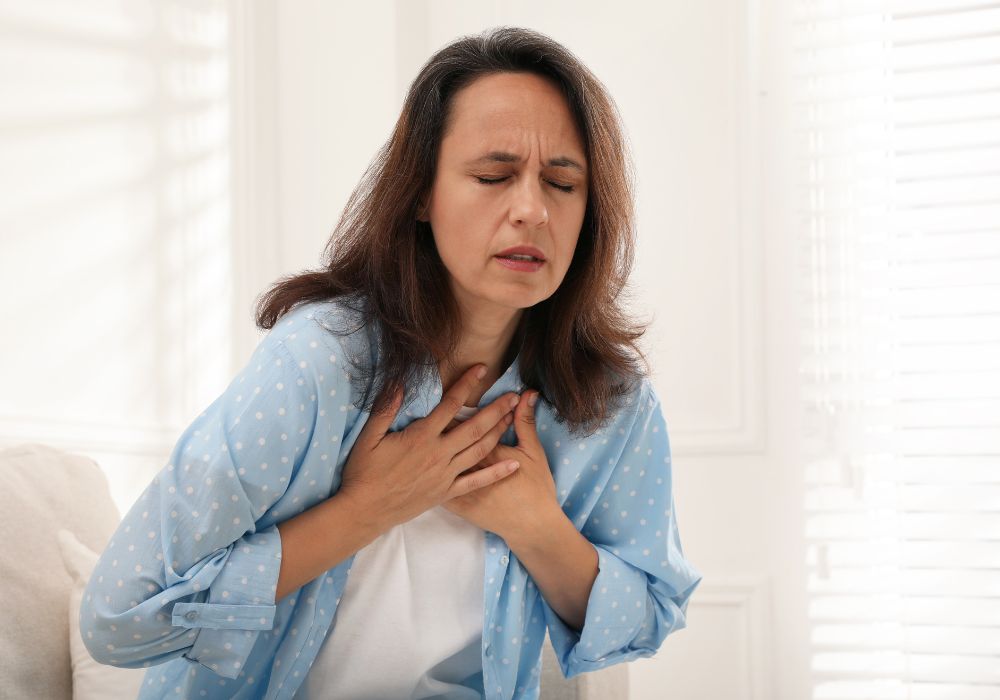
- A feeling of tightness in the chest or shallow breathing
- Heart palpitations or a racing heartbeat
- Irritability or heightened emotional sensitivity
- Difficulty sleeping or waking at night with nervousness
Recognising these symptoms as part of a biological process can help reduce the guilt and fear that often make them worse.
When is professional support recommended?
Although hormonal anxiety can often be eased with self‑care strategies, there are situations where professional support is important.
It may be helpful to seek guidance if anxiety:
- Clearly interferes with daily life
- Persists for several weeks without improvement
- Is accompanied by intense distress or persistent feelings of hopelessness
- Significantly affects sleep and concentration
Medical or psychological support does not cancel out self‑care. On the contrary, it can be an essential part of navigating this stage with greater support.
What can help you feel calmer during menopause
There is no single or immediate solution. What usually makes the biggest difference is a combination of small, sustainable adjustments over time.
1. Regulating the nervous system, not just “controlling the mind”
During menopause, the nervous system may remain in a constant state of alert. Approaches that work directly with the body are often more effective than trying to simply “think positively”.
Evidence‑based options include:
- Slow, deep breathing
- Mindfulness or attention‑based practices
- Gentle yoga or conscious movement
These practices have been shown to reduce anxiety levels and support emotional regulation in menopausal women.
2. Protecting sleep as the foundation of emotional balance
Anxiety and sleep influence each other in both directions. Poor sleep increases anxiety, and anxiety makes restorative sleep harder.
Improving evening habits, keeping regular schedules, and creating a predictable wind‑down routine can significantly reduce nighttime emotional activation.
Sleeping better does not eliminate anxiety entirely, but it often makes it far more manageable.
Physical movement adapted to your energy
Regular movement has a well‑established anxiolytic effect. During menopause, this does not mean intense workouts, but rather consistent and kind movement.
Walking, swimming, Pilates, or yoga can:
- Reduce accumulated tension
- Improve mood
- Support better sleep quality

4. The emotional support of living with pets
Research has shown that living with companion animals can lower cortisol levels — the body’s main stress hormone — and promote feelings of calm and emotional connection.
During menopause, everyday contact with a pet — stroking a cat, walking a dog, sharing daily routines — can become a natural and accessible form of emotional regulation.
Menopause and anxiety: a process that can be supported
Feeling anxious during menopause does not mean that something is “wrong” with you. It means that your body and mind are moving through a profound transition.
Understanding what is happening, leaning on realistic habits, and asking for help when needed can make a meaningful difference to your wellbeing.
Calm does not always arrive all at once. Sometimes, it is built gradually — step by step — through clear information, self‑care, and a kinder way of relating to yourself.
If you are ready to take control and take your first step toward a more conscious and active state of wellbeing, don’t wait any longer. Download our free guide, 5 Keys to Wellbeing in Menopause, and discover simple and effective strategies that will allow you to start feeling better today. The journey toward your new stage begins with information and action.
Written by the MenoPawse Editorial Team and medically reviewed by Dr. Nestor Claveria Centurion.
The information in this article is strictly for educational purposes and does not replace the consultation, diagnosis, or care of a licensed healthcare professional. Always consult your doctor before making any health-related decisions. [See Terms and Conditions of Use]