Do you prefer to listen?
Here’s the audio version:
The symptoms of perimenopause and menopause are undeniably real, and they do not arrive all at once, nor do they simply start on the exact day your period disappears. Instead, they are part of a gradual, natural, and deeply personal transition. These hormonal shifts can actually begin years in advance—sometimes without us even noticing—and manifest through subtle signals that we often mistake for stress, simple exhaustion, or just strange phases in our lives.
Persistent fatigue, heightened anxiety, insomnia, or noticeable changes in your menstrual cycle are just a few of the very real symptoms that many women experience without realizing their bodies are initiating a significant new stage.
At MenoPawse, we truly understand that a lack of clear and reliable information is the greatest obstacle to your overall wellbeing. Confusing these real symptoms with temporary health issues only leads to further frustration, unnecessary worry, and a sense of isolation.
That is precisely why this article is so fundamental: discussing this entire process with absolute clarity, without drama or confusing euphemisms, is the vital first step toward regaining your control. Understanding exactly what is happening inside your body is a powerful form of self-care. Knowing exactly what to expect, when to anticipate its beginning, and which specific tools to apply right now, puts you firmly in charge of your own health journey.

What is Perimenopause?
Perimenopause is the hormonal transition that precedes menopause itself, and it is often the longest and most symptomatic period of this entire life stage.
It can last anywhere from 2 to 10 years, although most women experience it for an average of four years, typically beginning in their mid-40s. During this time, the ovaries do not simply decrease the production of estrogen and progesterone; instead, they generate an erratic and unpredictable fluctuation of these hormones. It is precisely this hormonal roller coaster, rather than a steady, constant decline, that triggers so much instability within the body.
This intense hormonal variation affects your menstrual cycle, your mood, your sleep quality, your skin, your metabolism… and also how you feel about yourself. It is crucial to distinguish perimenopause from menopause: this transitional phase only officially ends after exactly 12 consecutive months have passed without a menstrual period.
Before diving into the specific symptoms, it is worth remembering something vital: not every woman experiences perimenopause in the same way or at the same age. Some may barely notice any changes at all, while others feel their lives are being completely disrupted. However, recognizing exactly what is happening helps you avoid confusing it with clinical depression, chronic exhaustion, or just “part of getting older.” Knowing that this process has a specific name and a duration gives you the power to take concrete, targeted action.
Symptoms of Perimenopause
These are some of the most frequent symptoms. They typically appear gradually, which often causes them to go unnoticed for months or even years. It is vital to keep a record of these changes, as their specific pattern is the key to achieving a correct diagnosis.
- Changes in the Menstrual Cycle: Periods that are shorter or longer than usual, heavier flow, or cycles that are absent for several months. This unpredictable variation is the defining characteristic of perimenopause.
- Hot Flashes and Night Sweats: Sudden sensations of intense heat often followed by chills. These occur due to the instability of the brain’s thermoregulatory center, triggered by fluctuating estrogen levels.
- Sleep Disturbances: Insomnia or constant waking during the night despite feeling exhausted. This lack of sleep can be caused directly by night sweats or by the drop in progesterone, a hormone known for its natural calming effect.
- Emotional Changes: Heightened anxiety, irritability, or sudden low moods without any apparent external cause.
- Weight Gain or Fluid Retention: Noticing changes in your body shape, particularly increased fat storage around the abdomen.
- Joint or Muscle Pain: Experiencing stiffness or aches without an obvious physical cause or injury.
- Difficulty Concentrating or Brain Fog: Feeling mentally clouded or struggling to focus on daily tasks.
These signs can make you feel as though you are aging all at once, but in reality, your body is simply readjusting its internal balance. The sustained and combined appearance of these symptoms is an unmistakable sign that the transition has officially begun. Recognizing them early allows you to act in time, adjust your lifestyle, and seek medical guidance if necessary, without falling into a state of resignation.
When Does Perimenopause Actually Begin?

For most women, perimenopause starts between the ages of 43 and 45, although this range carries significant variability; it can arrive as early as 35 (in cases of early menopause) or be delayed until the late 40s. This broad window of time is precisely why many women fail to associate their initial symptoms with a hormonal process, often mistaking them for chronic stress or general fatigue.
Menopause, as such, is an event defined retrospectively: it is only officially confirmed after you have gone through 12 consecutive months without a menstrual period.
It is fundamental to understand the time between these two stages as an active bridge. This is a period of intense and multidimensional adjustments where the physical, emotional, and mental aspects of your life coexist and interact. Recognizing perimenopause as the beginning of this phase, and menopause as its biological conclusion, allows you to prepare yourself with the necessary information, rather than simply reacting to each change in isolation.
Factors That Can Influence the Onset
While there is no exact rule and every body is unique, it is important to understand that certain lifestyle and health factors can either accelerate or delay the onset of this transition. Understanding these variables provides you with a much more comprehensive perspective on effectively managing menopause symptoms.
- Genetics: The age at which your mother or sisters went through menopause is a key indicator. It can offer a highly valuable clue regarding your own biological clock and what you might expect.
- Smoking: Tobacco use significantly accelerates hormonal loss. Research has demonstrated that smoking can advance the onset of menopause by up to two years, while also noticeably intensifying the severity of hot flashes.
- Chronic Stress: Sustained tension and pressure alter the hormonal axis (known as the HPA axis). This not only influences when perimenopause begins but also significantly worsens existing symptoms.
- Autoimmune or Metabolic Conditions: Certain health conditions can have a direct impact on ovarian function and your overall hormonal timeline.
- Gynecological Surgeries: Procedures such as a hysterectomy or the partial removal of ovaries directly influence the chronology and progression of this stage.
This is not about guessing exact dates, but rather about listening to your body and being proactive. Knowing which factors affect you personally prepares you better to protect your health and prevent future discomfort. Identifying these risks is vital for making informed decisions and adjusting your daily habits before the transition fully manifests.
What Can You Do Today to Feel Better?
The most important part of understanding this entire process is knowing that you have control over how you experience it. You don’t need to simply wait for it to pass, nor should you resign yourself to discomfort. There are concrete actions—deeply rooted in evidence and holistic wellbeing—that you can take today to feel more balanced, energetic, and serene. Knowledge and immediate action are truly your best tools against the symptoms of menopause.
Habits That Make a Real Difference
These lifestyle shifts do not cure perimenopause—because, we repeat, it is not a disease—but they do act as natural regulators, helping you live through it with more vitality while drastically reducing the intensity of your symptoms. Adopting these habits is a powerful act of self-care that significantly eases the hormonal transition.
- Prioritize Your Rest: Establish consistent sleep routines, try to be in bed before midnight, turn off electronic screens, and use warm lighting at the end of the day to prepare your mind.
- Move Your Body Every Day: Daily walks, yoga, or strength training improve your mood, strengthen your bones, and help manage hot flashes effectively.
- Choose an Anti-inflammatory Diet: Prioritize vegetables, fruits, high-quality proteins, and healthy fats (such as Omega-3), while avoiding ultra-processed foods as much as possible.
- Manage Your Stress: Meditation, conscious breathing, therapeutic journaling, or simply walking with your pet can help you slow down and find your center.
- Consult with a Health Professional: Not necessarily to look for a magic pill, but to evaluate all your options—ranging from hormone replacement therapies to natural treatments backed by scientific evidence.
The key lies in consistency. Small, sustained changes are far more powerful than grand, impossible promises. You don’t need to do everything today; you only need to start.
Menopause: The Official Moment of Change
Menopause officially arrives when twelve consecutive months have passed without a menstrual period. It is a natural milestone, not the end of your femininity or your wellbeing. In fact, many women find that they actually regain their hormonal and emotional stability after the unpredictable chaos of perimenopause.
The key is to adapt your daily habits and your self-care routines to meet the new, evolving needs of your body.
Most Common Symptoms of Menopause
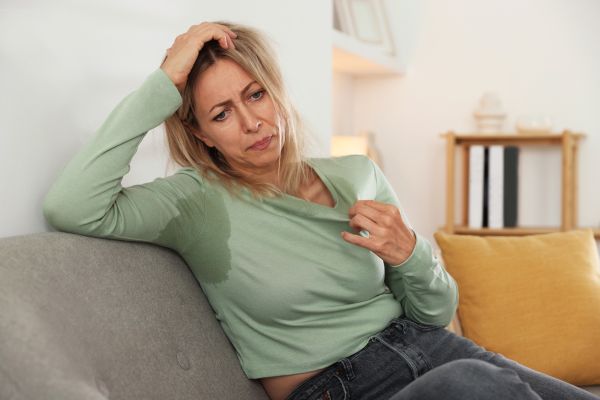
Some symptoms of menopause are carried over from the previous period, while others may appear for the very first time:
- Vaginal Dryness or discomfort during sexual intercourse.
- Low Libido or a decrease in sexual desire.
- Persistent Hot Flashes that continue past the transition.
- Changes in Skin and Hair: Noticing increased dryness, a loss of shine, or hair thinning.
- Decreased Bone Mass: A higher potential risk of developing osteoporosis.
The good news is that effective solutions exist—ranging from medical treatments to the implementation or reinforcement of healthy habits—that can radically improve your quality of life during this stage.
Is It Helpful to Seek Medical Advice or Should You Wait?
Seeking professional help to manage the symptoms of menopause is not being dramatic or exaggerating. On the contrary, it is a profound act of responsibility toward yourself and your future health.
When to Seek Medical Guidance
Do not hesitate to consult a specialist if:
- Your periods are alarmingly heavy or last for more than 10 consecutive days.
- Insomnia, anxiety, or persistent sadness are significantly affecting your daily life.
- You suffer from constant joint pain or chronic fatigue without a clear physical cause.
- You suspect early menopause (occurring before the age of 40).
The sooner you seek support, the more options you will have to prevent long-term health issues, such as osteoporosis or the loss of vital muscle mass.
Final Thoughts on Perimenopause and Menopause Symptoms
Perimenopause and menopause are not a punishment, a failure, or a loss of youth. They represent a natural biological, emotional, and psychological transition that marks a new and powerful stage in your life. This phase deserves understanding, support, and, above all, the prioritization of your self-care.
Understanding the symptoms of menopause and perimenopause—and why they occur—discussing them without taboos, and committing to taking care of yourself daily, will transform this period of confusion into a profound journey of self-knowledge and strength.
The goal is not simply to “hold on” until the storm passes, but to learn to live from a different place: with calm, balance, and a deep sense of self-love. It is time to turn off the autopilot and start designing your own wellbeing.
If you are ready to take control and take your first step toward a more conscious and active state of wellbeing, do not wait any longer. Download our free guide, 5 Keys to Wellbeing in Menopause, and discover simple and effective strategies that will allow you to start feeling better today. The journey toward your new stage begins with information and action.
Written by the MenoPawse Editorial Team and medically reviewed by Dr. Nestor Claveria Centurion.
The information in this article is strictly for educational purposes and does not replace the consultation, diagnosis, or care of a licensed healthcare professional. Always consult your doctor before making any health-related decisions. [See Terms and Conditions of Use]