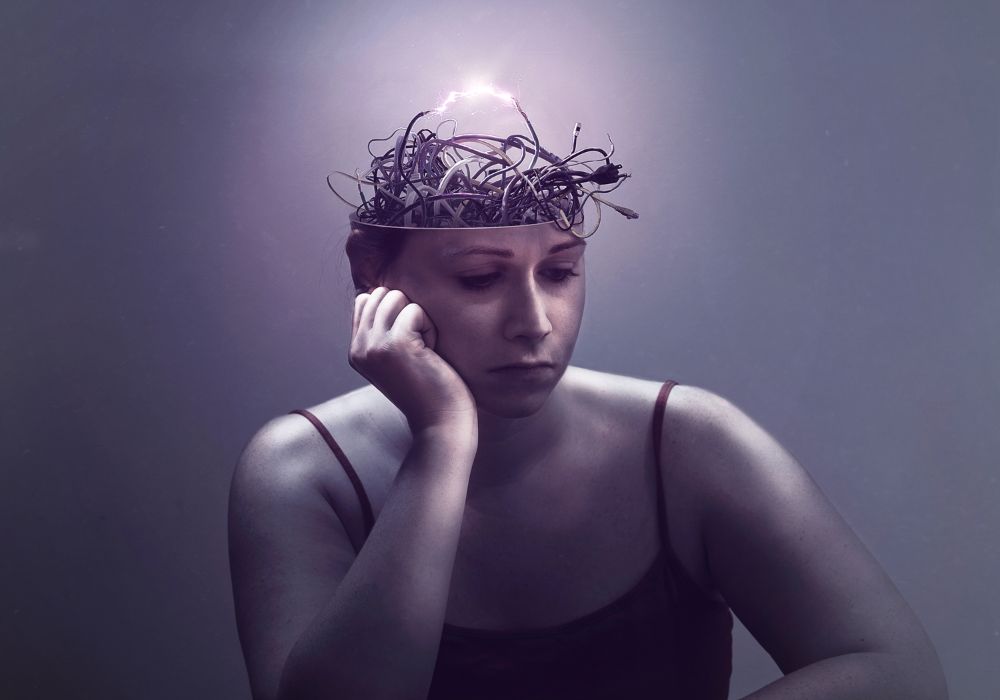
Menopause narratives across cultures reveal something that often goes unnoticed: the story Western culture tells about this moment in the female life cycle is only one of the versions available. A story of loss, of decline, of something ending. One in which symptoms are the center, the body fails, and the best-case scenario is getting through it as gracefully as possible.
We’ve heard it so many times that we no longer perceive it as a story. We take it as a fact.
Which makes it worth knowing that in other parts of the world, menopause is told differently. And what’s interesting isn’t that those versions are more beautiful or more optimistic: it’s that they appear to have real consequences for how this transition is actually experienced.
Menopause Narratives Across Cultures: Where It Starts
A comparative study conducted by anthropologist Margaret Lock in the 1980s has become a landmark reference in this field. Thousands of women in Japan, Canada, and the United States were interviewed about their experience of menopause. The results were striking.
Japanese women not only described fewer symptoms than their Canadian and American counterparts: they reported a fundamentally different experience. Fewer than 15% of the Japanese women surveyed had experienced hot flashes in the two weeks before the interview. In Europe and the United States, that figure hovers around 80%.
The symptoms Japanese women did report were also different: shoulder stiffness, dizziness, and fatigue, conditions considered in Japan to be ordinary signs of aging in general, rather than the hot flashes and night sweats that dominate the Western account.
Menopause narratives across cultures, it turns out, aren’t just different ways of describing the same thing. They are different experiences of something that shares a common biological foundation. Lock documented all of this in detail in Encounters with Aging, a book that remains essential reading for anyone interested in how culture shapes the body’s experience of this transition.
Konenki: When a Word Changes the Story
In Japanese, menopause isn’t called menopause. It’s called konenki, a term that translates roughly as a period of renewal and energy, or revitalization with the seasons of life.
The choice of language is not a minor detail. Konenki doesn’t describe a loss, but a transition. Not an ending, but a change of season. And in Japanese culture, seasonal change is welcomed.
In Lock’s study, the Japanese women interviewed expressed little grief over the end of fertility. Instead, they described a sense of greater freedom and authority within their family and social environments. Menopause was seen as the moment when certain responsibilities fell away and a new kind of standing was gained.
Japanese culture isn’t perfect, and women there face their own distinct pressures. But the framework through which this moment of the life cycle is lived is structurally different from the Western one.
What’s Behind the Difference: Diet, Genetics, and Culture
When researchers have tried to explain the differences in menopause experience across cultures, they’ve found several intertwined factors.
Diet
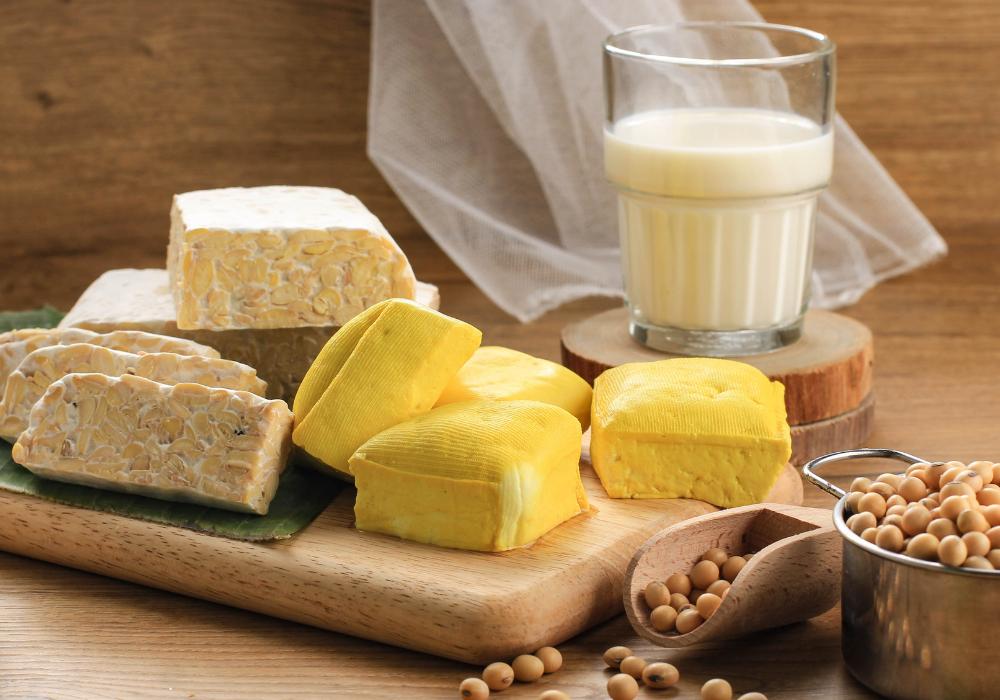
This is the most studied. The traditional Japanese diet is rich in soy and its derivatives: tofu, miso, edamame, tempeh. Soy contains isoflavones: phytoestrogens with a structure similar to human estrogen that may gently modulate the body’s response to hormonal decline.
Though the evidence remains limited and inconclusive, several studies suggest that women who consume isoflavones regularly from an early age may experience fewer vasomotor symptoms.
Genetics
Also plays an important role in how the body processes hormonal changes, which helps explain why some women experience severe hot flashes, sleep disruption, or mood shifts, while others move through this period almost symptom-free.
Differences in gut microbiome composition between Asian and Western populations also influence how phytoestrogens are metabolized.
The cultural framework
The hardest factor to measure and perhaps the most powerful. The expectation of how an experience will unfold influences how it is lived. Not because the mind cures symptoms, but because fear, negative anticipation, and a focus on worst-case scenarios amplify the perception of discomfort.
Menopause narratives across cultures shape, in part, the subjective experience of the body.
What We Can Do With All This
The variety of menopause narratives across cultures is not an invitation to romanticize other cultures, or to pretend that thinking differently will make symptoms disappear. The biology is real. The discomfort is real. And not every cultural difference is transferable.
But there is something concrete to take from this comparison.
The story a woman carries into menopause matters. If what she has heard for years is that the body declines after fifty, that femininity ends, that the best years are behind her, that story is not neutral. It becomes the lens through which every symptom and every change gets interpreted.
Changing that story isn’t forced optimism. It’s choosing a more honest narrative, one that acknowledges discomfort without reducing the entire experience to it. One that leaves room for what can also emerge during this transition: clarity, autonomy, a more direct relationship with one’s own body.
Konenki isn’t a solution. But it is a question: what would change if we renamed what’s happening to us?
Menopause Narratives Across Cultures: Why This Conversation Matters
Menopause is not only a biological event. It is also a cultural one: an experience lived within a framework of meanings, expectations, and stories that vary depending on where in the world one is born.
Knowing about menopause narratives across cultures isn’t an academic exercise. It’s a way of stepping back from the story we’ve been given, so we can choose, with more awareness, the story we want to live this part of life by.
If you are ready to take control and take your first step toward a more conscious and active state of wellbeing, don’t wait any longer. Download our free guide, 5 Keys to Wellbeing in Menopause, and discover simple and effective strategies that will allow you to start feeling better today. The journey toward your new stage begins with information and action.
Affiliate Disclosure: Some resources mentioned in this article may contain affiliate links. If you choose to purchase through them, MenoPawse may earn a small commission at no additional cost to you. We only recommend resources that we believe may provide genuine value to our readers. For more information, please see our Affiliate Disclosure page.
Written by the MenoPawse Editorial Team and medically reviewed by Dr. Nestor Claveria Centurion.
The information in this article is strictly for educational purposes and does not replace the consultation, diagnosis, or care of a licensed healthcare professional. Always consult your doctor before making any health-related decisions. [See Terms and Conditions of Use]