
Menopause · Self-care · Pets
Your Body is Changing. You Haven’t Disappeared
Menopause can change your sleep, mood and energy, but it doesn’t erase who you are.
At MenoPawse, you’ll find evidence-based information and self-care tools to support your wellbeing, including the bond you share with your pet.
Sleep, nutrition, movement, stress and your bond with your pet: 5 practical keys you can start using today.

Explore what you need today
Understanding what’s happening helps you care for yourself
Menopause can affect your energy, your mood and how you feel about yourself. Understanding these changes can help you decide how to care for yourself.
Here you’ll find information explained without jargon and habits you can adapt to your life.
Your pet is part of your wellbeing too
Going for a walk, sharing a routine or simply being with your dog or cat can contribute to your wellbeing.
We explore this bond to help you nurture your relationship with your pet and find moments of support and connection during this stage.
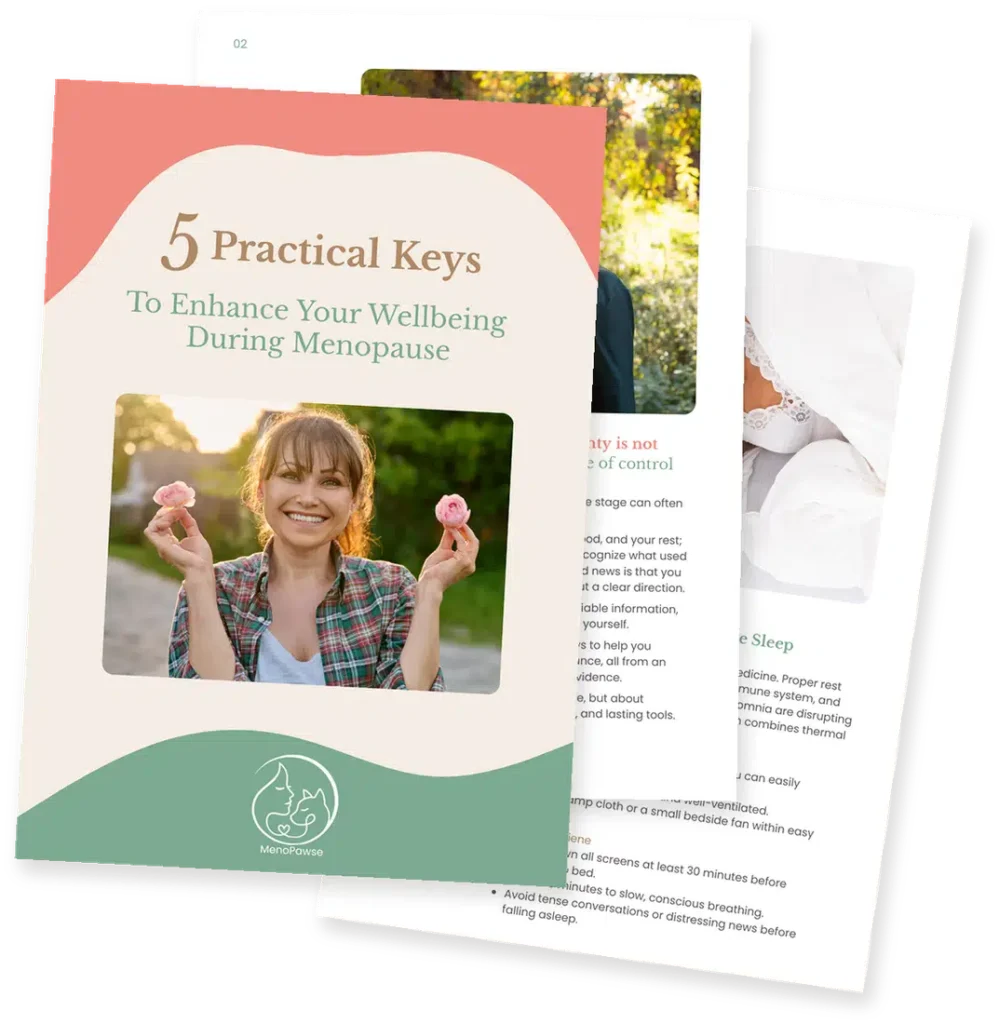
A free guide to help you get started
A first step you can make your own
Explore five areas of your wellbeing and choose which one you’d like to focus on first. A guide to support you at your own pace.
- Sleep
- Nutrition
- Movement
- Stress
- Your bond with your pet
Articles to understand this stage and take better care of yourself
Clear, practical, evidence-based content on menopause, self-care, and emotional wellbeing. Because understanding what’s happening to you is the first step to moving through it with more calm.
- The Gut Microbiome During Menopause: An Ecosystem That Changes With You
 The gut microbiome during menopause changes alongside your hormones, in a relationship that runs both ways. Here’s what the science actually says about the estrobolome, metabolic health, and what you can do about it.
 - Cortisol During Menopause: Why Stress Feels Different Now
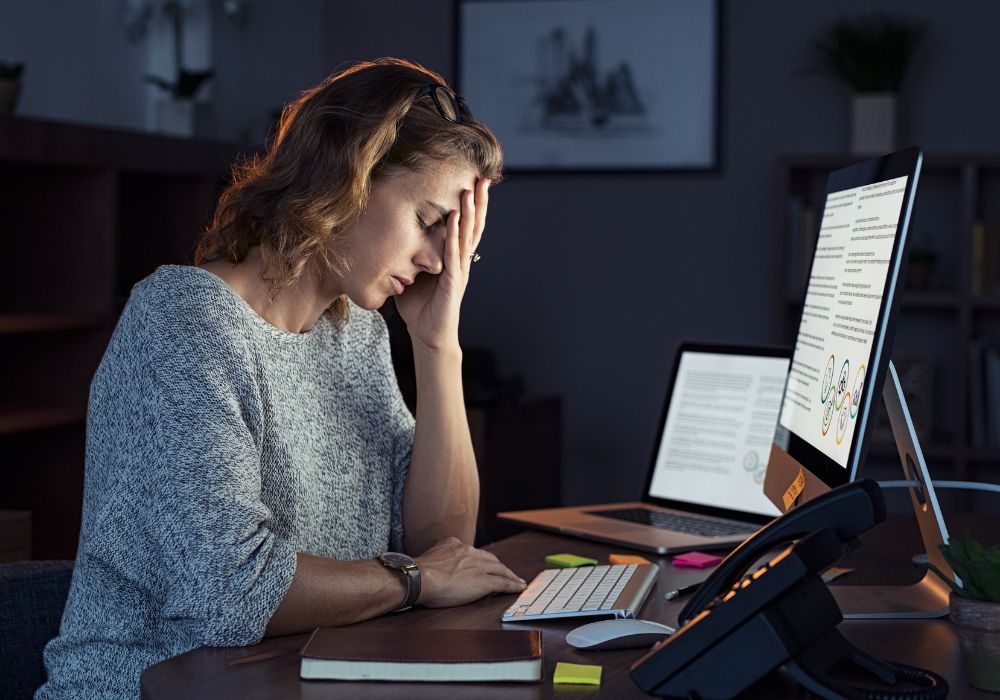 Cortisol during menopause doesn’t behave the same way it used to. Here’s what a real study found about why stress intensifies during this hormonal transition, its connection to hot flashes, and what you can actually do about it.
 - Progesterone During Menopause: The Hormone That Drops First
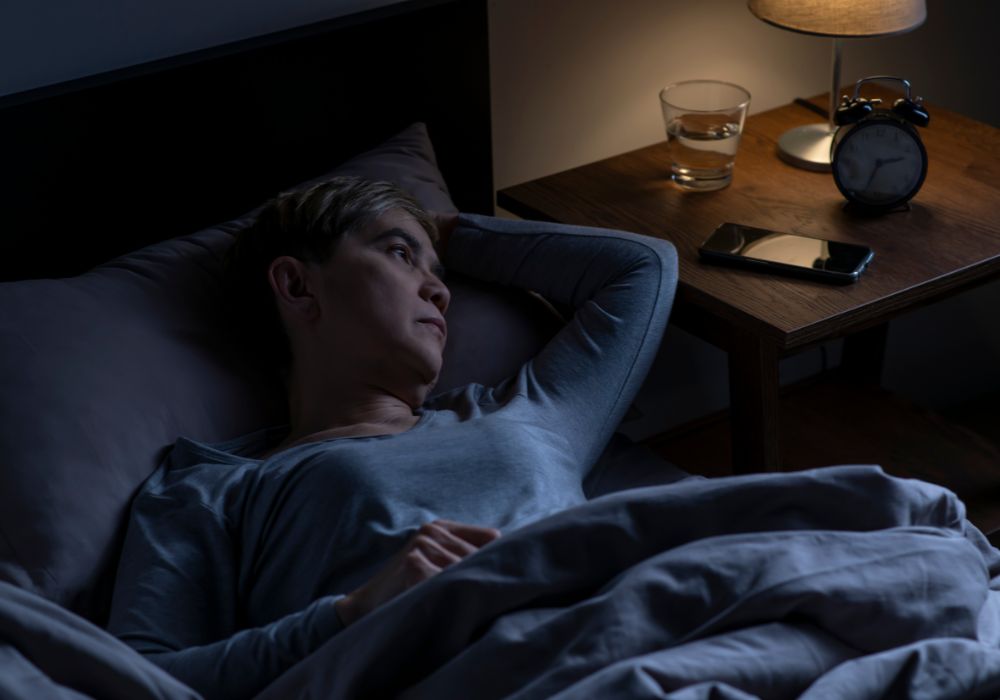 Progesterone during menopause tends to drop before estrogen does, even when cycles appear regular. It directly affects sleep, mood, and stress response. Here’s what the science actually says, and why naming this hormonal shift already matters.
 - Abdominal Fat During Menopause: Beyond Aesthetics
 You notice your clothes don’t fit the same way, even though your habits haven’t changed. You look at the same plate you used to eat… Read more: Abdominal Fat During Menopause: Beyond Aesthetics

Understanding what’s happening in your body doesn’t fix everything at once.
But it changes the way you live it.
And that, sustained over time, is more powerful than it seems.