
At some point during perimenopause, you may start noticing changes when you look in the mirror. Not necessarily dramatic ones. More like a quiet accumulation: skin drier than usual, less luminous, perhaps thinner. Lines that weren’t there before, or that suddenly seem more pronounced. A texture you don’t quite recognize as your own.
What’s happening has a clear explanation. Knowing it won’t change the facts, but it can open a path toward real solutions and a different way of relating to what you see.
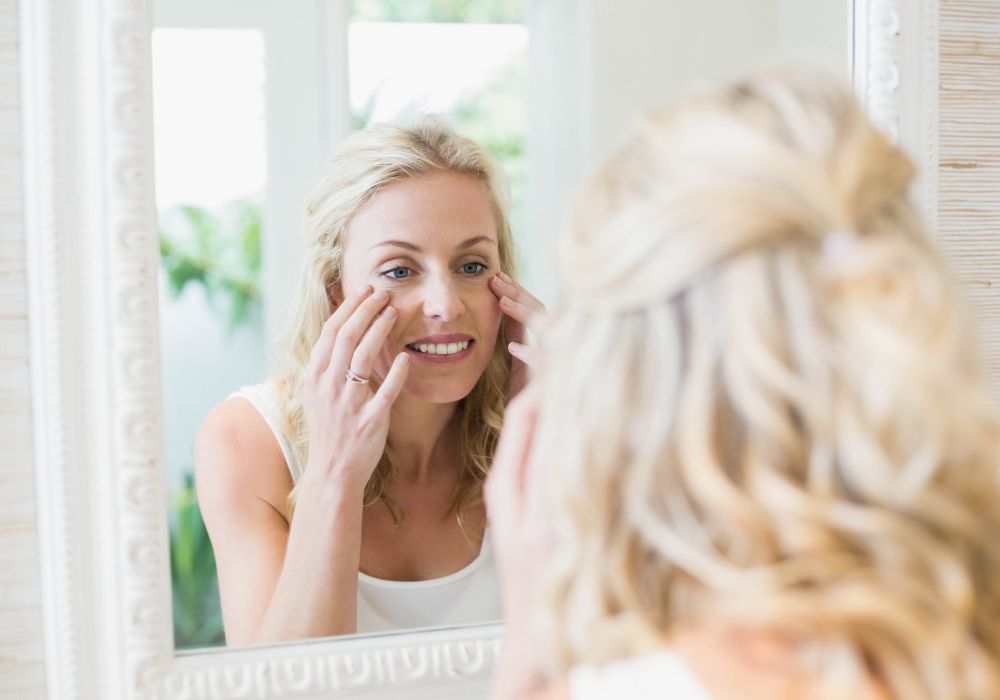
What’s Actually Happening to Your Skin During Perimenopause
Estrogens don’t only regulate the reproductive cycle. They also act on the skin in direct and significant ways: they stimulate collagen production, maintain hydration, support elasticity, and encourage cell renewal.
When their levels fall during perimenopause and menopause, all of those processes slow down or weaken.
The most telling figure: type I and type III collagen decrease by up to 30% in the first five years after menopause. In early menopause, skin collagen levels decrease fairly rapidly, with a reduction of approximately 30% in the first five years, followed by a further decline of around 2% per year for the next fifteen years. Collagen is the structural protein that gives skin firmness and volume. Its accelerated loss during this period explains much of what many women notice in the mirror.
But it’s not only collagen. Loss of elastin, hydrophilic glycosaminoglycans, and sebum production results in dryness, reduced moisture retention, and increased skin rigidity, leading to wrinkling. Reduced vascularity impairs wound healing and weakens the skin barrier. The result is skin that is drier, thinner, more easily irritated, and less able to recover from external stress.
None of this happens overnight. It begins during perimenopause, when hormonal fluctuations already affect the skin, and continues in the years that follow.
A gradual process — but a real one.
Beyond Wrinkles
The changes in skin during perimenopause go beyond aesthetics. Some affect the skin’s function as a protective barrier, and that has practical consequences day to day.
Greater sensitivity and irritability. Thinner skin with less sebum means a weaker cutaneous barrier. Products you once tolerated well may start causing redness, itching, or a sense of tightness.
Your skin hasn’t changed character. Its resources for self-protection have simply diminished.
Changes in pigmentation. Some women notice dark spots appearing, especially on areas exposed to the sun. Estrogens have a modulating effect on melanin, and their decline can alter pigment distribution in the skin.
Loss of density. The skin doesn’t just look thinner. In many cases, it genuinely is. Bruises may appear more easily, veins become more visible, and the skin of the neck and décolletage shows changes that weren’t there before.
Changes in hair and body hair. Estrogens also influence hair follicles. It’s common during menopause for hair to become finer, or for some facial hair to appear where there was none before. These are frustrating changes, but they too have a direct hormonal explanation.
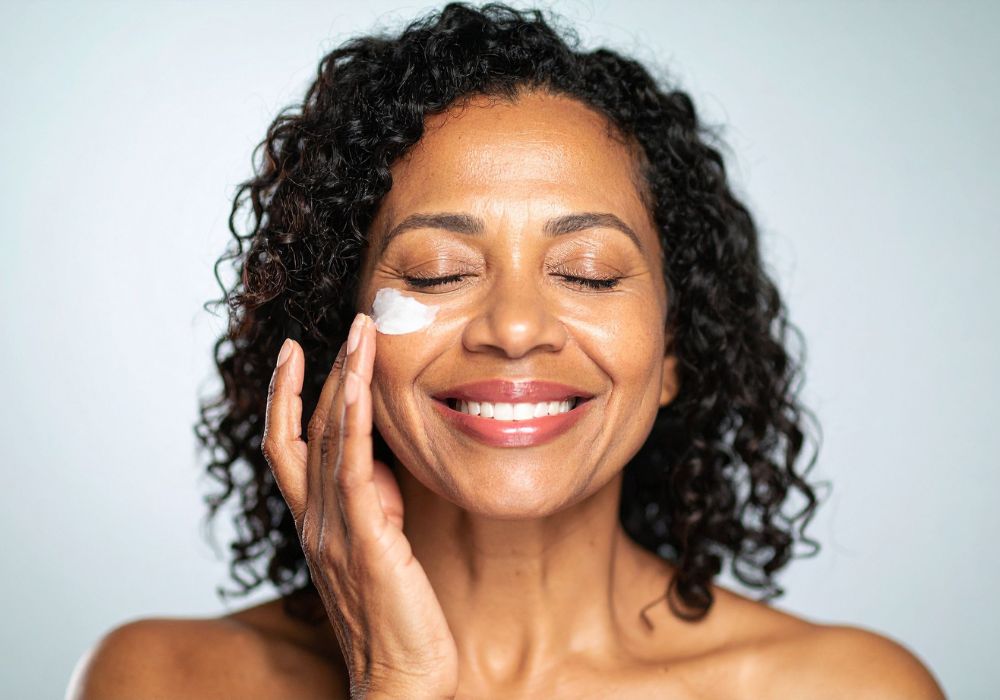
What Can Help: Without Promising Miracles
There is an entire industry built around skin during perimenopause, full of promises to reverse, rejuvenate, and restore. Those promises are worth reading with a critical eye.
What the evidence does support, in a more modest but more honest way, is this:
- Consistent moisturization. Skin during perimenopause loses water more easily. Using an appropriate moisturizer morning and night helps compensate for that loss. It’s not glamorous, but it’s one of the habits that makes the biggest difference.
- Sun protection. Accumulated sun damage becomes more visible precisely when skin has fewer resources to repair it. Wearing sun protection consistently — not just in summer, not just at the beach — is one of the gestures with the most real impact on skin aging.
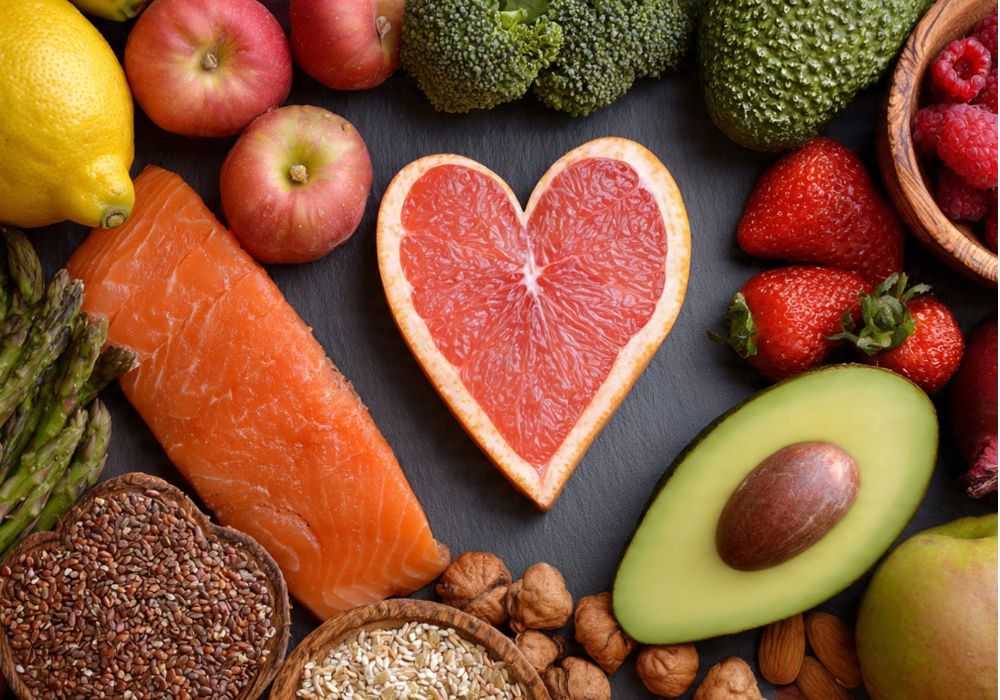
- Diet that supports the skin from within. Vitamin C is essential for collagen synthesis. Omega-3 fatty acids help maintain the skin’s barrier function. A varied, anti-inflammatory diet doesn’t replace topical care, but it meaningfully complements it.
- A dermatology appointment when in doubt. If the changes are significant, if new spots appear, or if skin irritability is affecting your wellbeing, a consultation with a dermatologist is always the most useful tool — not to fix the skin, but to understand what’s happening and make informed decisions.
Ingredients with evidence behind them
Retinoic acid, vitamin C, and hyaluronic acid have the strongest scientific backing in this context.
Topical retinoids address both the collagen loss from estrogen withdrawal and other skin changes, while hyaluronic acid improves hydration, barrier function, elasticity, and visible wrinkle depth.
They’re not magic, but they have a documented mechanism of action. Introducing them gradually and patiently, ideally with dermatological guidance, can make a real difference over time.
If you’re looking for a well-reviewed starting point, the TruSkin Vitamin C Serum is consistently Amazon’s top-selling facial serum, and one dermatologists frequently recommend for skin going through hormonal changes.
The Part Few People Mention
The changes in skin during perimenopause happen within a very specific cultural context: one in which aging skin is seen as a problem to be solved, and in which the cosmetics industry has much to gain from that perception.
It isn’t easy to look at those changes with neutrality. Skin is visible. The face even more so. And we live in a culture that associates youth with value, health, and attractiveness.
But caring for your skin doesn’t have to mean fighting it. It can simply mean paying attention to it. Giving it what it needs to function well. Protecting it from what damages it. And doing all of that without turning it into a source of pressure or shame.
Your skin during perimenopause is responding to a profound hormonal shift. It isn’t failing: it’s adapting.
And caring for it well begins with understanding it.
If you are ready to take control and take your first step toward a more conscious and active state of wellbeing, don’t wait any longer. Download our free guide, 5 Keys to Wellbeing in Menopause, and discover simple and effective strategies that will allow you to start feeling better today. The journey toward your new stage begins with information and action.
Affiliate Disclosure: Some resources mentioned in this article may contain affiliate links. If you choose to purchase through them, MenoPawse may earn a small commission at no additional cost to you. We only recommend resources that we believe may provide genuine value to our readers. For more information, please see our Affiliate Disclosure page.
Written by the MenoPawse Editorial Team and medically reviewed by Dr. Nestor Claveria Centurion.
The information in this article is strictly for educational purposes and does not replace the consultation, diagnosis, or care of a licensed healthcare professional. Always consult your doctor before making any health-related decisions. [See Terms and Conditions of Use]