Bone health can remain invisible until a fracture or a scan brings it into focus. During menopause, lower estrogen levels can accelerate bone loss. That does not mean every woman faces the same risk, or that one supplement can solve the problem.
Learning how to care for your bones during menopause means looking at movement, muscle strength, nutrition, fall prevention, and personal medical history together.

What Changes in Bone During Menopause
Bone is living tissue that is continuously renewed. When estrogen levels fall, the balance between breakdown and formation can shift, allowing bone loss to progress more quickly. You may not feel this process, which is why knowing your risk matters.
Risk depends on several factors, including age, family history, body weight, smoking, high alcohol intake, certain medicines, specific health conditions, and previous fractures. These factors can guide a medical assessment, but they cannot diagnose osteoporosis on their own.
Strength Training Protects Muscle and Bone
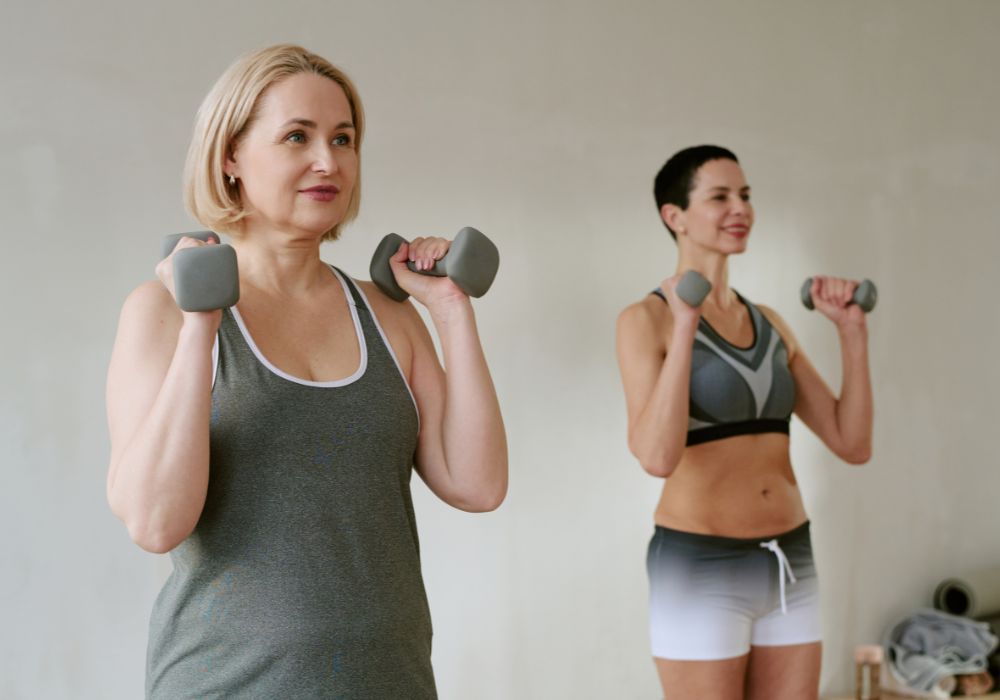
Muscles place tension on bones when you work against resistance. That mechanical signal can help maintain strength and bone density. Bodyweight exercises, resistance bands, dumbbells, and machines can all have a place, depending on your experience and health.
In a 24-week trial, moderate resistance training helped maintain bone mineral density in postmenopausal women, while the untrained group lost density at the spine and femoral neck. Another randomized trial found improvements in several bone indicators after resistance training at different intensities in postmenopausal women with osteopenia.
These findings do not mean that everyone should lift heavy weights. Progression should be adapted gradually.
The Role of Impact Exercise
Brisk walking, stairs, dancing, and jogging provide a different stimulus from swimming or cycling. Moderate impact may support bone health when it is appropriate for your health and training level.
More impact does not automatically mean better results. If you have advanced osteoporosis, joint pain, a previous fracture, balance problems, or pelvic-floor symptoms, your program needs individual adaptation. A supervised program may be useful, but the right level depends on your situation.
Calcium, Vitamin D, and Protein
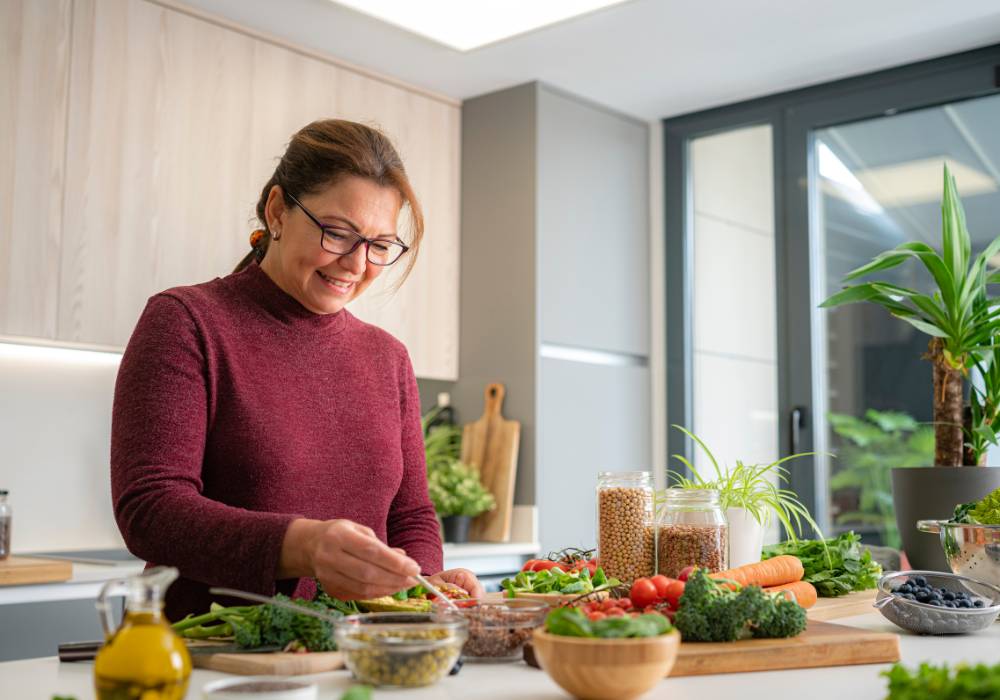
Calcium contributes to bone structure and is best obtained, when possible, through a varied diet. Dairy foods, calcium-fortified plant drinks, calcium-set tofu, and some fish are examples. Your needs depend on age, diet, and health status.
Vitamin D supports calcium absorption, but testing and supplementation depend on individual factors. A blood test may help when deficiency is possible.
Protein also matters because it supports muscle, which contributes to mobility and helps reduce fall risk. Supplements should not replace an assessment or be taken in high doses without guidance.
Preventing Falls Is Part of Caring for Your Bones
A fall can have different consequences depending on bone density. Balance work, vision checks, clear walkways, and stable footwear are simple measures. Strength in the legs and trunk also affects the ability to recover when balance shifts.
At home, look at loose rugs, cables, poor lighting, and wet surfaces. If medication causes drowsiness or dizziness, discuss it with a healthcare professional.
Preventing falls does not mean restricting every movement; it means creating safer conditions for movement.
When to Ask for an Assessment
Speak with a healthcare professional if you have had a low-impact fracture, a family history of osteoporosis, noticeable height loss, prolonged corticosteroid use, or a condition that may affect bone.
Depending on your history, they may consider a bone-density scan, laboratory tests, or other measures. The scan is not indicated at the same time for everyone. Recommendations depend on individual risk, age, and the guidelines used in your healthcare system.
Care for Your Bones During Menopause: a Daily Strategy
Bone prevention is built through several sustained choices: regular movement, progressive strength work, adequate food, sleep, avoiding tobacco, moderating alcohol, and knowing your risk factors. You do not have to change everything at once.
You can begin with regular walking, add adapted strength exercises, or ask for an assessment if you have a reason to be concerned. Caring for your bones does not mean living in fear of a fracture. It means giving your body conditions that support strength and function over time.
If you are ready to take control and take your first step toward a more conscious and active state of wellbeing, don’t wait any longer. Download our free guide, 5 Keys to Wellbeing in Menopause, and discover simple and effective strategies that will allow you to start feeling better today. The journey toward your new stage begins with information and action.
Affiliate Disclosure: Some resources mentioned in this article may contain affiliate links. If you choose to purchase through them, MenoPawse may earn a small commission at no additional cost to you. We only recommend resources that we believe may provide genuine value to our readers. For more information, please see our Affiliate Disclosure page.
Written by the MenoPawse Editorial Team and medically reviewed by Dr. Nestor Claveria Centurion.
The information in this article is strictly for educational purposes and does not replace the consultation, diagnosis, or care of a licensed healthcare professional. Always consult your doctor before making any health-related decisions. [See Terms and Conditions of Use]