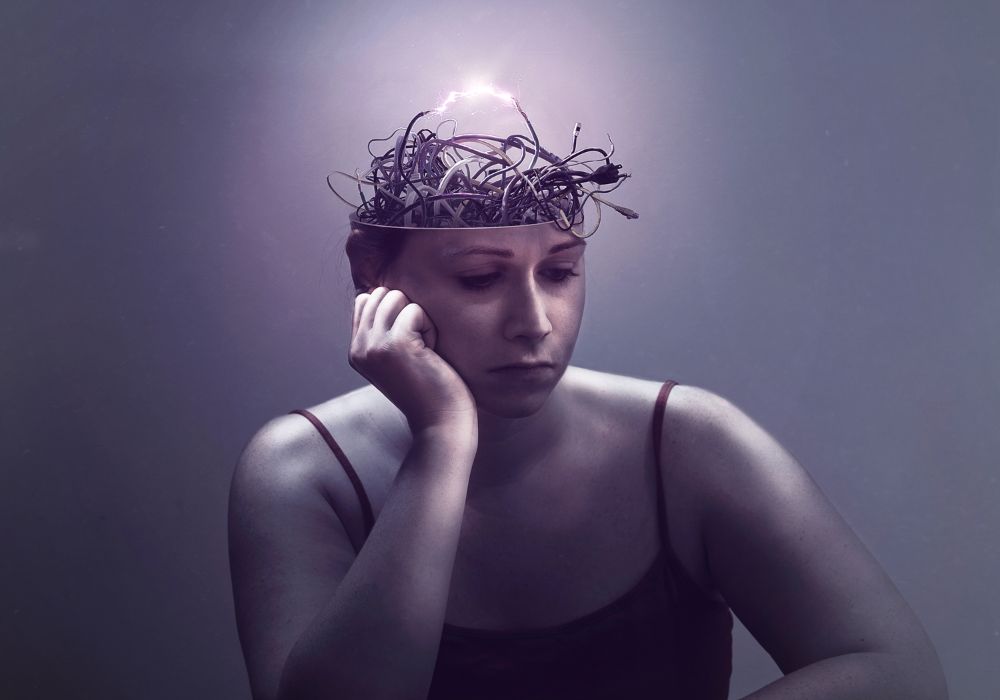
Suddenly, your heart starts pounding. You feel short of breath or dizzy, and it seems as though something terrible is about to happen. It may last only seconds, but those seconds feel endless. The experience can be so intense that you fear for your life or wonder if you are losing your mind. When it finally passes, you are left wondering whether it will happen again. This is how panic attacks during perimenopause can feel.
If you are going through this stage of life and have experienced something similar, you may wonder whether these episodes are connected to the other changes you are noticing. There may be a connection, although it is not always easy to know what has contributed in an individual case. And because some sensations resemble symptoms of other health conditions, they deserve attention and an appropriate assessment.
Understanding what happens during a panic attack and how it may relate to perimenopause can help you find words for what you are feeling and explore your options for getting support. This article can offer a first step.

What Is a Panic Attack?
A panic attack is a sudden onset of intense fear or discomfort accompanied by physical sensations that can be frightening. According to the National Institute of Mental Health, these can include a racing heart, sweating, trembling, dizziness, tingling, or difficulty breathing. You may also feel as though you are losing control or fear that you are dying.
Not everyone experiences the same symptoms, and an episode can begin without an obvious cause, even during sleep. Although the intensity gradually subsides and the episode eventually passes, afterward you may feel tired, unsettled, or worried about what has just happened.
Having a single attack does not mean you have panic disorder. A professional may consider this diagnosis when unexpected attacks recur alongside ongoing concern about future episodes or changes in behavior related to that fear. They can help you understand what is happening in your situation.
What Happens in Your Body During Panic?
When your brain perceives a threat, your body activates an alarm response. Among other changes, substances such as adrenaline are released: your heart may beat faster, your breathing may quicken, and your muscles may tense. This response prepares your body to react to danger.
During a panic attack, that alarm is activated even when there is no immediate identifiable threat. If you feel your heart racing and think something serious is happening, fear can grow and draw even more of your attention to the sensations. That worry can, in turn, intensify the alarm response.
Understanding this cycle can help once you have been assessed, but sensations alone cannot tell you for certain whether you are experiencing panic. A new or different episode deserves a professional evaluation of its possible causes.
Panic Attacks During Perimenopause: What Is the Connection?
Hormone levels fluctuate during perimenopause, and hot flashes, palpitations, and sleep disturbances can also occur. Some of these experiences resemble the sensations of panic or can feel unsettling. Stress, a history of anxiety, and your life circumstances can also influence how you feel.
Progesterone is one of the hormones that changes during this transition. The body produces a substance called allopregnanolone from progesterone. It influences the activity of GABA, a signaling system in the brain involved in regulating the stress response. A review of allopregnanolone and emotional health explains that sensitivity to hormonal changes may vary between women and that questions remain about its role during the menopause transition.
A small study of panic disorder during the menopausal transition examined 45 women and found an association between allopregnanolone levels and the severity of symptoms associated with this stage. The finding is a starting point for further research, but it does not demonstrate that a drop in progesterone always causes anxiety or panic attacks, or predict who will experience them.
In the longitudinal SWAN study of anxiety during the menopause transition, some women who had few anxiety symptoms at the outset were more likely to report high anxiety during or after the transition than before it. The study measured anxiety symptoms; it did not establish that perimenopause alone causes panic attacks or predict what will happen to any individual woman.
That is why it helps to look at the whole picture and avoid attributing every episode to hormones.
If you would like to explore the subject further, we also discuss anxiety during menopause and the different factors that may accompany it.

Could It Be Confused With a Hot Flash or Another Health Problem?
A hot flash can bring a sudden feeling of heat, sweating, and palpitations; some of these sensations can also occur during a panic attack. They can happen together, but they are different experiences. Telling a healthcare professional what you felt first, how long it lasted, and what else happened may help them understand the episode.
Palpitations and shortness of breath can also have physical causes, including heart rhythm problems and other conditions. Even if you are going through perimenopause or have experienced anxiety before, it is important not to assume that every new symptom has the same cause.
If chest pain or pressure does not go away, or occurs with shortness of breath, sweating, nausea, or dizziness, seek urgent medical attention. Severe breathing difficulty or fainting also requires urgent care. MedlinePlus explains that these symptoms can occur with heart problems, even when you are unsure what is happening.
What You Can Do During an Episode That Has Already Been Assessed
If a professional has already assessed your symptoms and explained how to recognize your episodes, you can try approaches that may help you get through them. You do not need to do everything or force yourself to feel calm immediately.
If you are somewhere safe, place your feet on the floor or sit comfortably. Look around and silently name a few objects you can see. If it helps, bring your attention to a specific sensation, such as your feet touching the floor or one hand resting against the other.
Try to breathe gently and slowly, without forcing deep breaths or holding your breath. If focusing on your breathing feels uncomfortable, you can return your attention to your surroundings. Remembering what your healthcare professional explained or speaking with someone you trust may also support you as the episode passes.
Afterward, noting what you felt and any recent changes may help you discuss the episode at an appointment. Do not use these approaches to delay seeking care if your symptoms are new, different, or concerning.
When to Seek Help and What Treatments Are Available
You can speak with a doctor or mental health professional even if it has happened only once, especially if it has left you worried. A consultation is particularly important if episodes recur, you are constantly afraid they will return, or you have begun avoiding places and activities because of them.
Treatments are available. Cognitive behavioral therapy, for example, can help you understand the alarm response and work through fear of bodily sensations and places you have begun to avoid. In some cases, a professional may recommend medication, therapy, or a combination, depending on your needs and preferences.
If you also have hot flashes, sleep difficulties, or other changes during perimenopause, mention them. They can be addressed alongside panic, although hormone therapy is not appropriate for everyone and is not a specific treatment for panic disorder.
Taking care of your sleep and noticing whether caffeine intensifies your symptoms can complement professional care. Our article on insomnia during menopause offers ideas for reviewing your sleep habits without turning them into another obligation.

If You Live With a Pet
After an episode, you may find comfort in sitting near your dog or cat and noticing their presence. If you both enjoy it, you can share a few quiet minutes without expecting your pet to detect or stop an attack.
That bond can offer companionship while you seek support, but it does not replace a medical assessment or any treatment you need. You can also agree with someone you trust on whom to call and what kind of help is useful when you feel overwhelmed.
Finding Support to Rebuild Confidence
Panic attacks during perimenopause can leave you with many questions, especially when they happen for the first time. Giving them a name may help, but it is also important to understand your symptoms in the context of your health history and get guidance about what needs attention.
If you have begun organizing your life around the fear of another episode, it is worth talking about. There are ways to work through that fear and return to activities that matter to you, with support adapted to your circumstances and your pace.
If you are ready to take control and take your first step toward a more conscious and active state of wellbeing, don’t wait any longer. Download our free guide, 5 Keys to Wellbeing in Menopause, and discover simple and effective strategies that will allow you to start feeling better today. The journey toward your new stage begins with information and action.
Written by the MenoPawse Editorial Team and medically reviewed by Dr. Nestor Claveria Centurion.
The information in this article is strictly for educational purposes and does not replace the consultation, diagnosis, or care of a licensed healthcare professional. Always consult your doctor before making any health-related decisions. [See Terms and Conditions of Use]