Some days you don’t need advice. You don’t need explanations. You don’t need someone telling you what you should be doing.
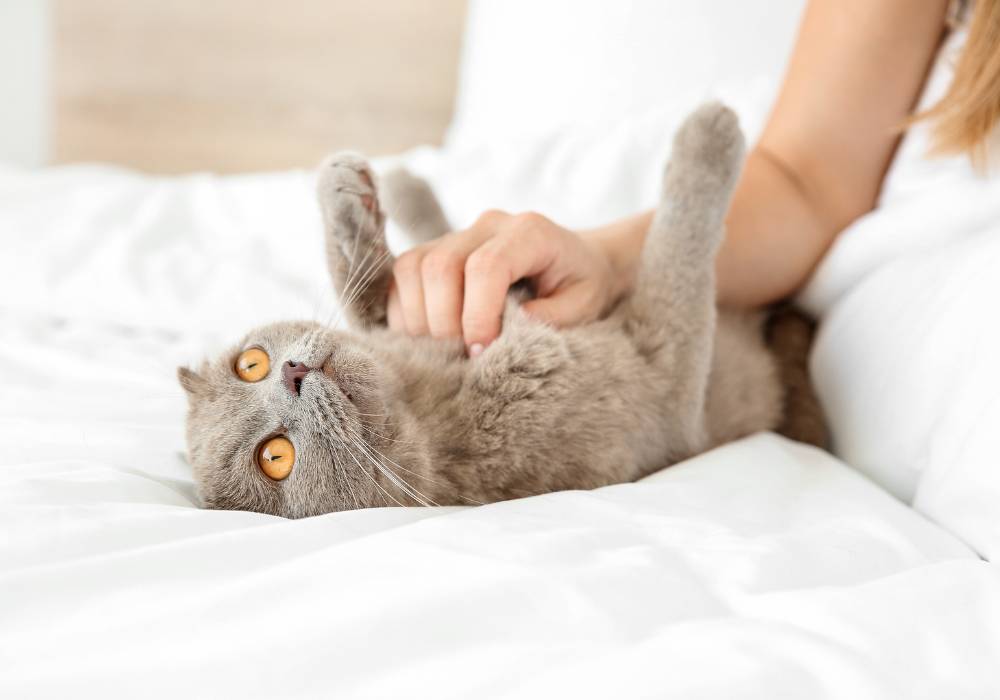
You just need to sit down for a moment and feel your dog settle in beside you. Or hear your cat purring softly nearby.
And somehow, something shifts.
Understanding the connection between oxytocin, cortisol and menopause can help explain why these everyday moments often feel so deeply comforting: the tension eases, your breathing slows, and that sense of holding too many things at once loosens its grip, just a little.
Many women describe this experience during this stage of life. And while it might seem like something purely emotional, the science suggests there are real biological processes behind that sense of relief.
Oxytocin, Cortisol and Menopause: What’s Happening in the Body
During menopause, hormonal changes affect far more than the reproductive system. They also influence mood regulation, the emotional response to stress, and the overall sense of wellbeing.
Many women describe this stage as a time of heightened emotional sensitivity. Not because they’ve become more fragile. But because the nervous system can grow more reactive to stimuli that previously went unnoticed.
Add to that the pressures that often converge at this point in life:
- family responsibilities
- professional transitions
- financial concerns
- changes in partnerships
- caring for aging parents.
Any of these, alone or in combination, can keep the body in a prolonged state of alert.
And this is where cortisol comes in.
Cortisol: The Hormone That Keeps You Ready
Cortisol is often called the stress hormone, which has given it an unfairly negative reputation. It isn’t a rogue hormone whose sole purpose is to keep you on edge. Cortisol is essential for survival: it helps the body respond to situations that require immediate attention.
The problem arises when that response stays switched on for too long.
Chronically elevated cortisol levels have been associated with:
- disrupted sleep
- increased anxiety
- fatigue
- difficulty concentrating
- greater systemic inflammation.
During menopause, many women experience precisely these symptoms. Which is why any experience that genuinely supports stress regulation can have a meaningful impact on daily wellbeing.
Oxytocin: Much More Than the Love Hormone
Oxytocin is typically described as the bonding hormone. It plays a role in trust, attachment, and social connection. But its function extends further than that.
It also influences nervous system regulation and can help reduce the physiological stress response.
When we have positive interactions with other living beings, oxytocin release can increase. And this includes, under certain conditions, interactions with companion animals.
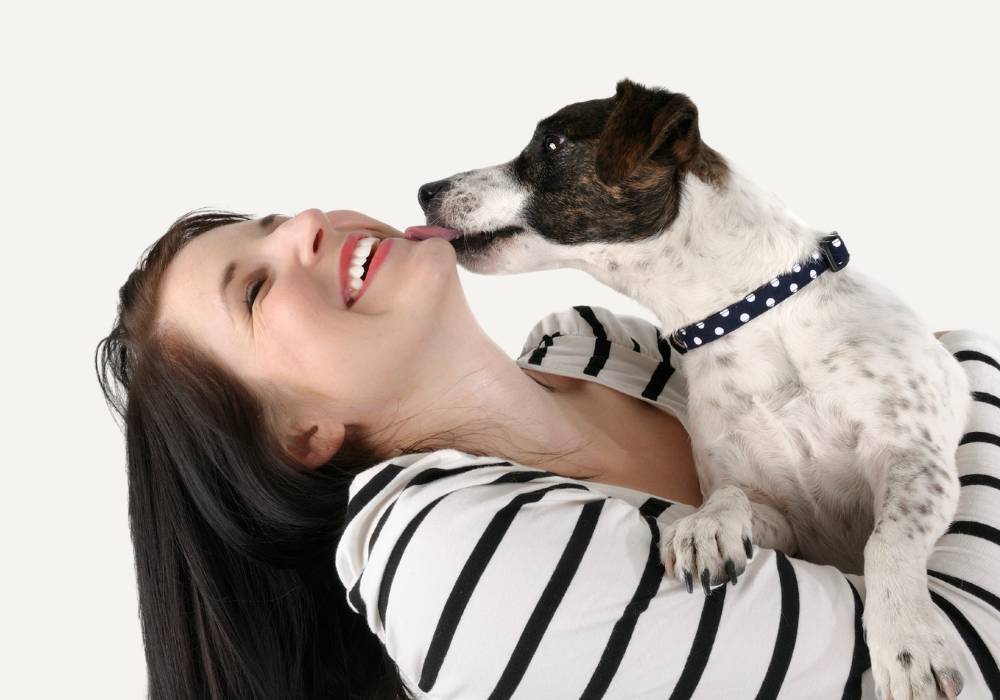
Research has shown that dog-owner interaction results in increasing oxytocin levels in both owners and dogs, alongside decreasing cortisol levels in owners.

What the Research Tells Us About Pets, Oxytocin and Wellbeing
In recent years, researchers have studied the human-animal bond from a biological perspective with growing rigor.
Some studies have observed that interacting with a dog for as little as five minutes can lead to a measurable reduction in cortisol, suggesting that animal-assisted interaction may function as an effective anti-stress experience.
Other studies have shown that free interaction with cats decreased emotional arousal in owners, with positive correlations observed between cortisol and oxytocin concentrations during the interaction.
But it’s important to be honest here.
The science does not claim that a pet cures anxiety, depression, or menopause symptoms. Nor does it suggest that a pet replaces medical or psychological treatment when that’s what’s needed.
What the research does suggest is that living with an animal can be part of an emotional environment that genuinely supports wellbeing.
And that, in itself, is something worth taking seriously.
Why This Effect May Feel Stronger During Menopause
Menopause often coincides with a period of profound life transformation.
Many women begin to reassess their priorities. Some face significant family changes. Others move through processes of grief, professional transitions, or a growing need for stillness and authenticity.
In this context, pets offer something that rarely requires effort: presence.
They don’t need explanations.
They don’t expect productivity.
They don’t evaluate your appearance.
They don’t question your age.
They’re simply there.
And when the nervous system has been running in alert mode for a long time, that kind of presence can become a genuinely important source of emotional regulation.
The Power of Physical Contact
There’s something profoundly simple about stroking a dog or a cat. But from a biological standpoint, it’s not a trivial experience.
Gentle physical contact can influence mechanisms associated with relaxation.
Breathing tends to slow. Heart rate may decrease. Attention shifts away from mental preoccupation toward an immediate sensory experience: the texture of fur, the warmth of the animal’s body, the rhythmic rise and fall of its breathing.
These are small inputs that help the brain step back, even temporarily, from its cycle of worry.
Not Just Chemistry: It’s Also About Bond
It would be reductive to explain all of this purely in hormonal terms. Oxytocin and cortisol are part of the picture. But they’re not the whole picture.
The relationship you build with a pet includes shared history: routines, memories, moments of companionship, experiences of mutual care.
Over time, all of that creates a bond that can become an important source of emotional stability, especially during periods of change. Many women find that during menopause, their relationship with their pet takes on a different quality of depth.
For readers who enjoy exploring the emotional world of animals and the science behind the human–animal bond, books such as The Emotional Lives of Animals offer an interesting perspective on how these relationships can influence wellbeing, connection, and emotional resilience.
When Wellbeing Arrives in Unexpected Forms
Sometimes we search for complex solutions to feel better. And yet some of the most effective sources of wellbeing turn out to be surprisingly simple.
- A daily walk with your dog
- Your cat sleeping across your legs
- A moment of play
- A quiet shared silence
Menopause can bring real challenges. But it can also help us recognize resources that were always close by, ones we may not have fully appreciated before.

Oxytocin, Cortisol and Menopause: A Wider View
The relationship between oxytocin, cortisol and menopause reminds us of something important: wellbeing doesn’t depend solely on hormones. Nor does it depend entirely on willpower.
It’s built through multiple factors: habits, relationships, rest, movement, social support, and experiences that help the nervous system feel safe.
Pets don’t resolve every challenge that comes with this stage of life. But for many women, they can become a daily source of calm, connection, and emotional balance.
And perhaps that’s why, in certain difficult moments, the quiet presence of a dog or a cat can feel so genuinely comforting.
Not because they make problems disappear. But because they remind us we’re not moving through them alone.
If you are ready to take control and take your first step toward a more conscious and active state of wellbeing, don’t wait any longer. Download our free guide, 5 Keys to Wellbeing in Menopause, and discover simple and effective strategies that will allow you to start feeling better today. The journey toward your new stage begins with information and action.
Affiliate Disclosure: Some resources mentioned in this article may contain affiliate links. If you choose to purchase through them, MenoPawse may earn a small commission at no additional cost to you. We only recommend resources that we believe may provide genuine value to our readers. For more information, please see our Affiliate Disclosure page.
Written by the MenoPawse Editorial Team and medically reviewed by Dr. Nestor Claveria Centurion.
The information in this article is strictly for educational purposes and does not replace the consultation, diagnosis, or care of a licensed healthcare professional. Always consult your doctor before making any health-related decisions. [See Terms and Conditions of Use]