During menopause, caring for yourself can feel like one more task on an already crowded list. Fatigue, hot flashes, poor sleep, and irritability can make even sensible recommendations difficult to maintain.
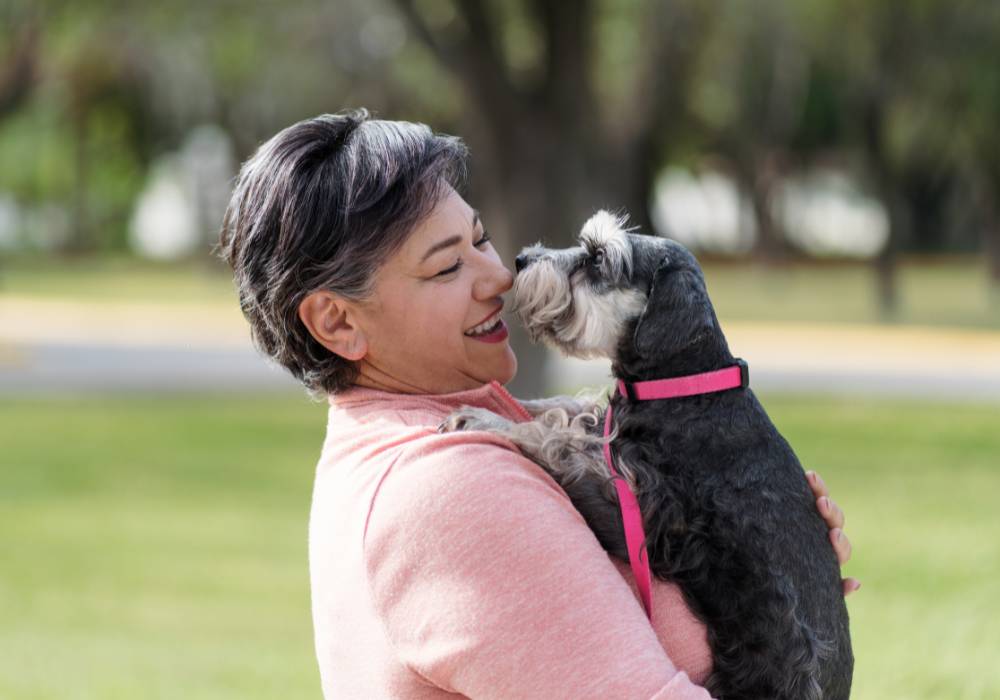
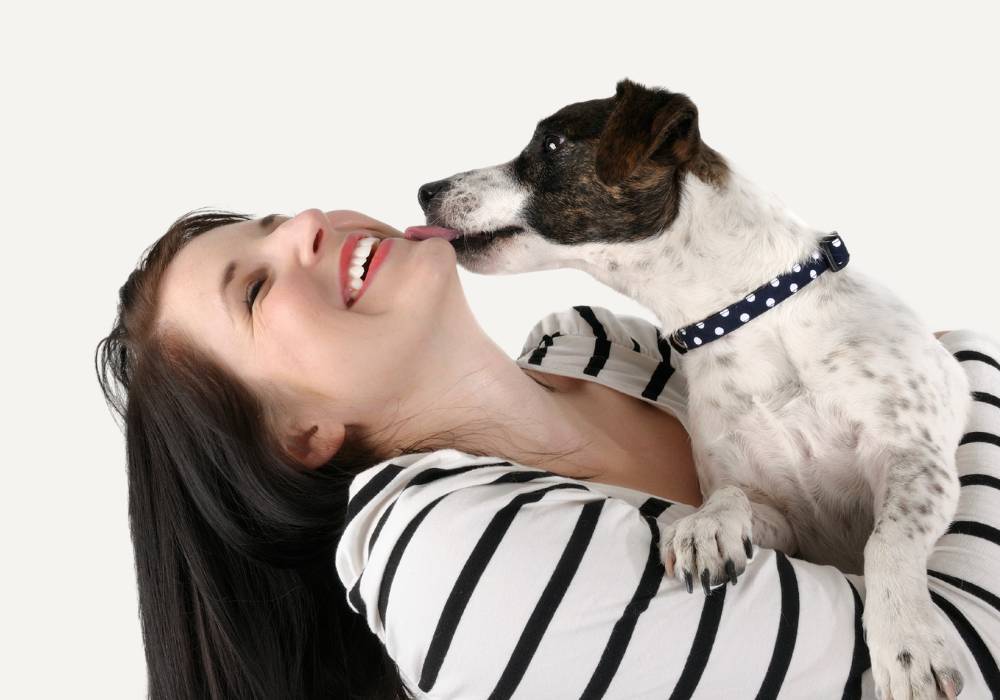
A shared self-care routine with your dog can turn small acts of wellbeing into ordinary moments that fit into your life. The aim is not to add another obligation, but to find a rhythm that supports both of you.

Self-Care Can Be Shared
Self-care is often presented as something individual: an exercise routine, a specific diet, or a few quiet minutes alone. Real life is less tidy. Your day may already be organized around work, family, and your animals, and ignoring that reality can make advice feel impossible.
A shared self-care routine with your dog can include movement, daylight, pauses, and companionship within activities that are already part of your day. Your dog does not need to understand menopause or act as a therapist. Their presence can simply remind you to step outside, breathe, and notice what you need.
Research on dog-facilitated physical activity has found that interventions involving walking often increase physical activity, although study quality and long-term effects vary.
Start by Noticing Your Energy
The same activity will not feel the same every day. Before creating a routine, notice for a week when you have more energy, when hot flashes or fatigue tend to appear, and which kind of walk leaves you feeling better.
You do not need a clinical symptom diary. A few notes can reveal patterns that help you make kinder decisions. Prepare a minimum version of the routine: ten minutes outside, sitting beside your dog, or a few gentle stretches. On a better day, you can do more.
Keeping movement flexible is usually more useful than setting a fixed duration and abandoning the plan when your body does not respond as expected.
Morning Light and the Beginning of the Day
Opening a window or stepping outside in the morning can give the day a clear beginning. Light is one of the signals involved in the circadian system, which helps organize sleep and wakefulness. A morning walk also gives your dog time to sniff and move at a comfortable pace.
You do not need to turn the first outing into a workout. Walking slowly, noticing the temperature, and looking around may be enough. If you feel dizzy, weak, or overheated, wait until you feel stable, take water, and avoid the hottest part of the day.
Walking as a Space for Regulation
Walking with your dog directs your attention toward the ground, sounds, smells, and the rhythm of your steps. That outward focus can help when your mind is caught in worry. It also creates a transition between household responsibilities and the rest of the day.
A shared self-care routine with your dog that includes walks may support general wellbeing. Reviews of human-animal interaction describe possible psychological and physical benefits, including effects on mood and physical activity, although these findings do not mean that every dog reduces stress or that walking resolves menopause symptoms.
The relationship you already have can still be a useful reason to move, pause, and return to the present.
How to Adapt the Routine on Difficult Days
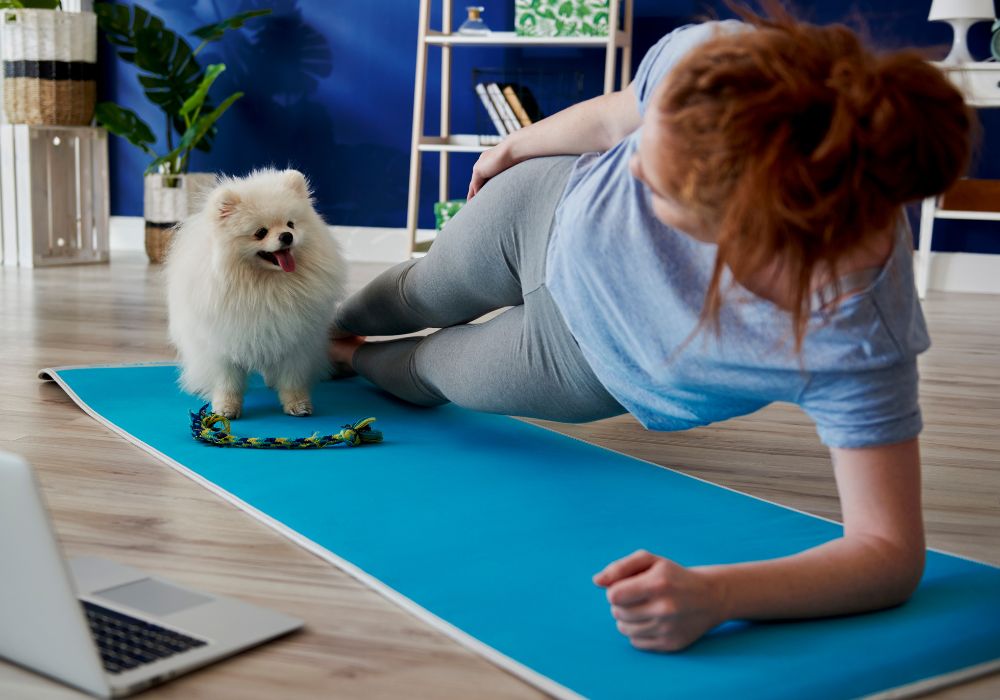
On very tiring days, a short walk near home may be enough. If you cannot stay outside for long, scent games, hiding small amounts of food, or simple indoor exercises can stimulate your dog without demanding much from your body.
You can also ask for support. A relative, trusted person, or dog walker can handle a longer outing when you are not feeling well. Delegating part of the care does not weaken the bond. It recognizes that a sustainable routine needs room for days when your energy drops.
A Calm Transition Into the Night
In the evening, the goal can be to lower the pace. After the last outing, gradually reduce intense activities and create a predictable setting. Sitting beside your dog, brushing them if they enjoy it, or stroking them for a few minutes can become a signal that the day is closing.
Animal companionship may contribute to a subjective sense of calm, but the physiological evidence remains mixed. A systematic review of human-dog interactions found promising findings involving cortisol, oxytocin, and heart rate, while also highlighting important differences between studies. This is possible support, not a treatment for insomnia or anxiety.
Caring Without Creating Another Burden
A pet needs daily care, but you do not have to carry more than you can sustain. Choose shorter routes, walk at cooler times, and keep a few indoor activities ready for difficult days. If your dog is older or has joint problems, adapt the activity to their needs and consult a veterinarian when necessary.
It is also important to separate your needs from your dog’s. Animal companionship may support emotional wellbeing, but it does not replace medical care, physiotherapy, psychotherapy, or social support. If fatigue, low mood, or insomnia interfere with your life, speak with a professional.
Creating a Shared Routine With More Calm
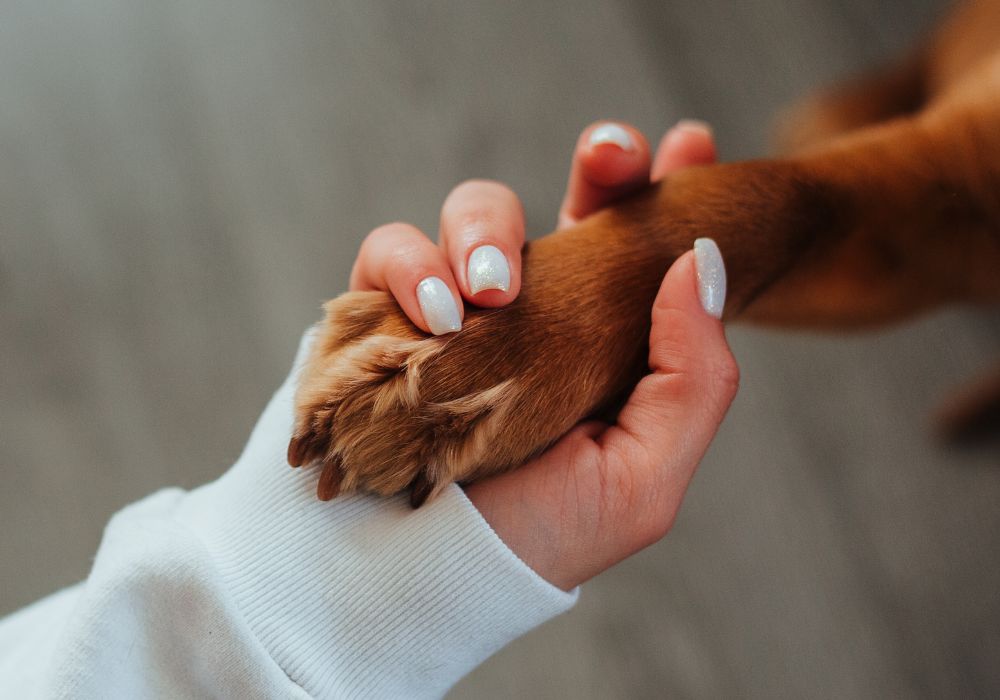
Mutual care works when it protects both of you. Choose activities you can repeat, leave room for difficult days, and pay attention to signals from your body and your dog. A routine may include a walk, rest, play, physical contact, or simply being in the same room.
Some days caring for each other will mean walking. On other days it will mean cancelling the longer outing, resting, and asking for help. Both choices belong to a responsible and affectionate relationship.
A routine does not need to be perfect to be valuable. It needs to give the day a little more structure, movement, and connection.
If you are ready to take control and take your first step toward a more conscious and active state of wellbeing, don’t wait any longer. Download our free guide, 5 Keys to Wellbeing in Menopause, and discover simple and effective strategies that will allow you to start feeling better today. The journey toward your new stage begins with information and action.
Affiliate Disclosure: Some resources mentioned in this article may contain affiliate links. If you choose to purchase through them, MenoPawse may earn a small commission at no additional cost to you. We only recommend resources that we believe may provide genuine value to our readers. For more information, please see our Affiliate Disclosure page.
Written by the MenoPawse Editorial Team and medically reviewed by Dr. Nestor Claveria Centurion.
The information in this article is strictly for educational purposes and does not replace the consultation, diagnosis, or care of a licensed healthcare professional. Always consult your doctor before making any health-related decisions. [See Terms and Conditions of Use]